
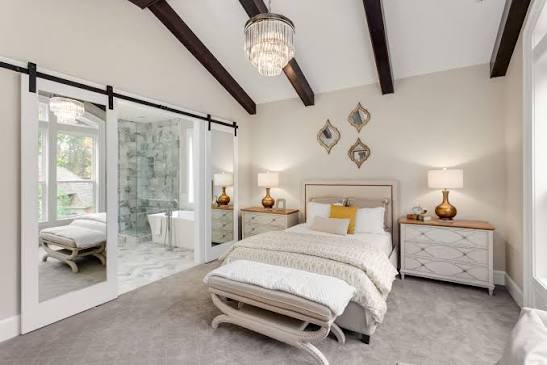
Interior design is an art and science that focuses on enhancing the interiors of spaces to achieve a healthier and more aesthetically pleasing environment. With the perfect blend of creativity, technical knowledge, and a keen understanding of human behavior, interior designers transform ordinary spaces into extraordinary experiences. Whether it’s a cozy home, a bustling office, or a luxurious hotel, the role of an interior designer is to curate each space in a way that reflects the personality and needs of its occupants while optimizing functionality and flow.
The journey of an interior designer often begins with an unwavering passion for aesthetics and spatial design, coupled with an education that equips them with valuable skills in color theory, materials, and architectural elements. As they navigate through a variety of projects, interior designers not only shape the visual identity of a space but also contribute significantly to overall well-being by considering factors like lighting, ergonomics, and sustainability. In this article, we will explore the multifaceted world of interior design, its historical evolution, and the trends that are shaping its future.
Trends in Modern Interior Design
Today’s interior design landscape is characterized by a blend of innovation and sustainability. Designers are increasingly prioritizing environmentally conscious materials and practices, creating spaces that are not only stylish but also eco-friendly. Minimalism, with its emphasis on simplicity and functionality, continues to influence many design choices, while biophilic design—incorporating natural elements—helps foster a deeper connection between interiors and the natural world. One notable trend is the growing popularity of multifunctional spaces, especially in urban settings, where maximizing limited square footage becomes essential. A luxury interior designer in Manhattan NY can expertly navigate these trends, tailoring each project to meet the unique needs of their clients.
The Role of Color and Texture
Color and texture play pivotal roles in interior design, influencing mood and perception within a space. Designers utilize color psychology to evoke specific feelings—warm tones such as reds and oranges can energize a room, while cooler shades like blues and greens create a sense of calm. Additionally, the interplay of textures—smooth, rough, shiny, and matte—adds depth and character to interiors, encouraging sensory engagement. The thoughtful application of these elements allows designers to create cohesive and inviting environments that resonate with the personal style of occupants, making each space truly one-of-a-kind.
In conclusion, the art of interior design is a dynamic interplay of aesthetics, functionality, and emotional resonance, serving as a transformative force in how we experience our surroundings. As trends continue to evolve towards sustainability and wellness, interior designers are tasked with the exciting challenge of merging innovative design solutions with the unique needs of individuals. By skillfully harnessing color, texture, and spatial arrangements, they not only enhance the beauty and usability of spaces but also promote a sense of belonging and comfort. Ultimately, each thoughtfully curated interior reflects a narrative of its occupants, intertwining personal stories with the essence of good design to create environments that elevate everyday living.
