
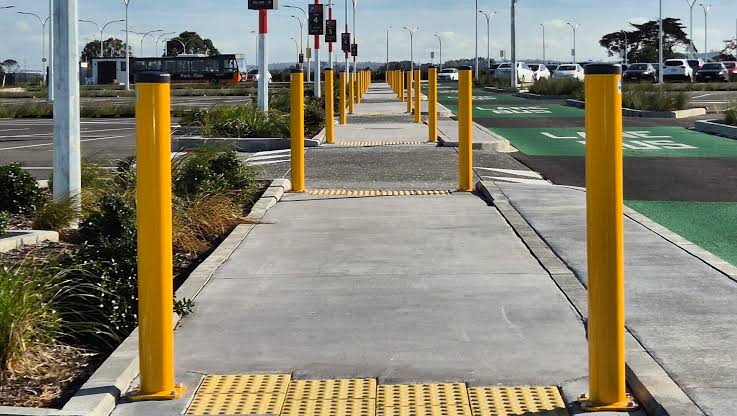
Bollards are vertical posts that serve a myriad of purposes, from enhancing safety to defining spaces in urban environments. Often seen along roadsides, pedestrian walkways, and public parks, these sturdy installations are designed to manage traffic, protect infrastructure, and improve overall aesthetics. With their versatility and functionality, bollards have become an integral component in urban planning and architectural design, reflecting a blend of utility and style.
As cities grow and evolve, the role of bollards continues to expand. From traditional steel and concrete designs to modern, illuminated variants, bollards are increasingly being used in creative ways to promote safety while adding to the beauty of public spaces. This article delves into the various types of bollards, their applications, and the importance of selecting the right bollard for specific needs, illustrating their significance in contemporary urban landscapes.
Types of Bollards
Bollards are available in various designs and materials, each tailored for specific functions and aesthetic considerations. Traditional options include steel and concrete bollards, favored for their strength and durability when protecting pedestrian areas and sensitive structures. On the other hand, decorative bollards crafted from materials like fiberglass or wood can enhance the visual appeal of public spaces, blending seamlessly with their environment. Additionally, modern innovations have led to the development of retractable and solar-powered bollards, which offer dynamic solutions for traffic management while ensuring safety. For those interested in enhancing their urban landscape, it’s easy to buy bollards that suit both functional and stylistic needs.
Importance of Bollard Selection
Selecting the appropriate type of bollard is crucial for achieving desired safety and aesthetic outcomes. Factors such as location, intended use, and environmental conditions play a significant role in this decision-making process. For example, in high-traffic areas, illuminated or reflective bollards can improve visibility and safety during nighttime, while in quieter, more scenic settings, decorative styles may take precedence. Ultimately, the right choice not only fulfills practical requirements but also contributes to a cohesive urban design that enhances the overall experience for both residents and visitors.
In conclusion, bollards are more than just functional elements; they are vital components of urban infrastructure that contribute to safety, organization, and aesthetics. As cities continue to develop and adapt to modern challenges, the selection and implementation of bollards will play an increasingly important role in shaping the urban experience. By considering factors such as design, location, and specific usage needs, planners and designers can ensure that bollards not only serve their protective and guiding purposes but also harmonize with and elevate the surrounding environment. Ultimately, thoughtful bollard selection can transform public spaces, fostering safer, more welcoming communities that cater to the needs of all who inhabit them.
