
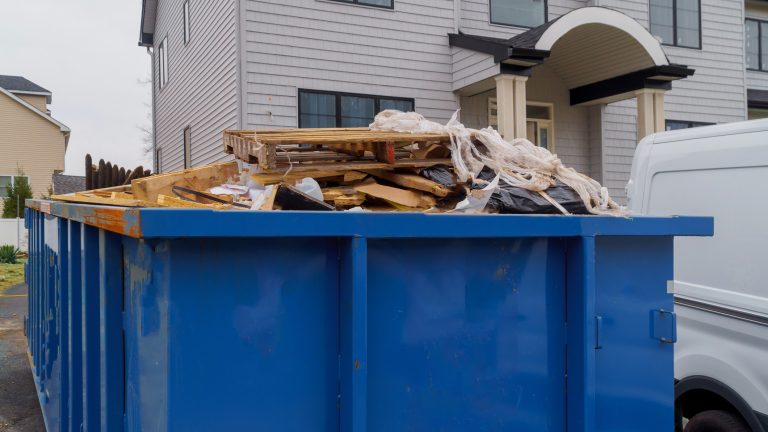
In today’s fast-paced world, managing waste efficiently has become more crucial than ever, whether it’s for home renovations, commercial projects, or seasonal cleanouts. Dumpster rentals offer a convenient solution for safely disposing of large volumes of trash and debris, allowing individuals and businesses alike to maintain a clean and organized environment. Understanding the benefits and options available for dumpster rentals can help streamline the waste disposal process, ensuring that your project proceeds smoothly without the added stress of managing refuse.
From selecting the right size dumpster to understanding the rental terms, this article provides a comprehensive guide to dumpster rentals. By delving into the various types of dumpsters, pricing structures, and important regulations, we aim to equip readers with the knowledge necessary to make informed decisions. Whether you are a homeowner tackling a DIY project or a contractor managing a construction site, our insights will help you navigate the complexities of dumpster rentals effectively.
Choosing the Right Size Dumpster
Selecting the appropriate size dumpster is essential to ensure that you efficiently dispose of your waste without wasteful overspending. dumpsters are typically available in various sizes, from small 10-yard containers ideal for minor home cleanouts to larger 40-yard units meant for substantial construction projects. Assess the volume of debris you expect to generate, factoring in the type of waste you’ll be disposing of, such as household items, construction materials, or yard waste. For those in need of a reliable solution, exploring options like dumpster rental Colorado Springs can provide valuable support in determining the best fit for your specific needs.
Understanding Rental Terms and Regulations
Before finalizing a dumpster rental, it’s crucial to familiarize yourself with the rental terms and local regulations that may apply. Different rental companies may have varying policies regarding weight limits, rental duration, and what types of materials can be disposed of in the dumpster. Ignoring these regulations can lead to extra fees or even fines. Additionally, many localities have specific guidelines for hazardous materials that must be adhered to for safety and environmental reasons. Understanding these terms will not only help you comply with local laws but also lead to a hassle-free experience throughout your project.
In conclusion, dumpster rentals serve as a vital resource for effective waste management, enabling both homeowners and businesses to tackle projects with ease and efficiency. By carefully considering the appropriate dumpster size and thoroughly understanding the rental terms and local regulations, you can enhance your experience and ensure that you meet your disposal needs without encountering unnecessary complications or expenses. Making informed choices in the dumpster rental process not only facilitates a smoother workflow but also contributes to a responsible approach to waste disposal, promoting sustainability in your community. Whether you’re decluttering your home, renovating your office, or managing large-scale construction, leveraging the benefits of dumpster rentals can lead to seamless project execution and a cleaner environment.
