
Plumbing leak detection is a critical aspect of home maintenance that often goes overlooked until a significant issue arises. Whether it’s a subtle drip under the sink or a more severe issue hidden behind walls, undetected leaks can lead to considerable water damage, mold growth, and even structural problems. In an era where efficient water use and conservation are increasingly emphasized, understanding how to identify and address leaks promptly becomes vital for homeowners and property managers alike.
This article delves into the various methods and technologies used in plumbing leak detection, equipping readers with the knowledge needed to spot early signs of leaks and avoid costly repairs. From traditional techniques to advanced electronic detection systems, we explore how each method works, their advantages, and tips for effective leak prevention. By being proactive about plumbing maintenance and leak detection, homeowners can safeguard their properties and ensure a long-lasting, efficient plumbing system.
Traditional Leak Detection Methods
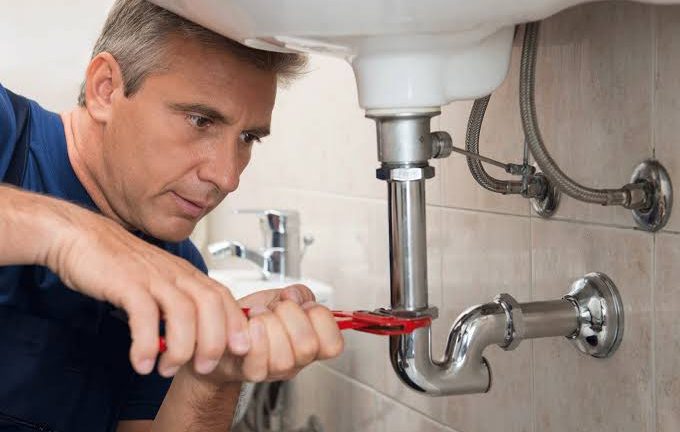
Homeowners have relied on traditional leak detection methods for decades, which often include visual inspections and the use of basic tools such as a wrench or screwdriver. These techniques can effectively identify obvious signs of leaks, such as damp spots, water stains, or corrosion around joints and valves. Regularly monitoring your plumbing system for changes, such as an unexplained spike in your water bill, can also serve as a warning signal indicating a hidden leak. By addressing these issues promptly, you can mitigate the potential for extensive water damage and costly repairs.
Advanced Detection Technologies
In recent years, advanced technologies such as acoustic leak detection and thermal imaging have been developed to enhance leak detection capabilities. Acoustic devices listen for the sound of water escaping from pipes, allowing for the identification of leaks without invasive digging. Similarly, thermal imaging cameras can detect temperature changes in walls or floors that may indicate moisture accumulation from a leak. These modern tools not only improve accuracy but can also save time and reduce the need for extensive property damage during the detection process. Embracing these innovative methods can significantly boost a homeowner’s ability to safeguard against plumbing issues.
In conclusion, plumbing leak detection is an essential investment in maintaining the integrity of any home, as it plays a crucial role in preventing costly repairs and protecting the overall health of the property. By combining traditional methods with advanced technologies, homeowners can effectively identify and address leaks before they escalate into more serious problems. Regular inspections, coupled with innovative detection systems, empower property owners to take control of their plumbing maintenance. Ultimately, fostering a proactive approach to leak detection not only conserves water but also promotes a safe and sustainable living environment, making it a vital consideration for everyone who values their home and investments.
