
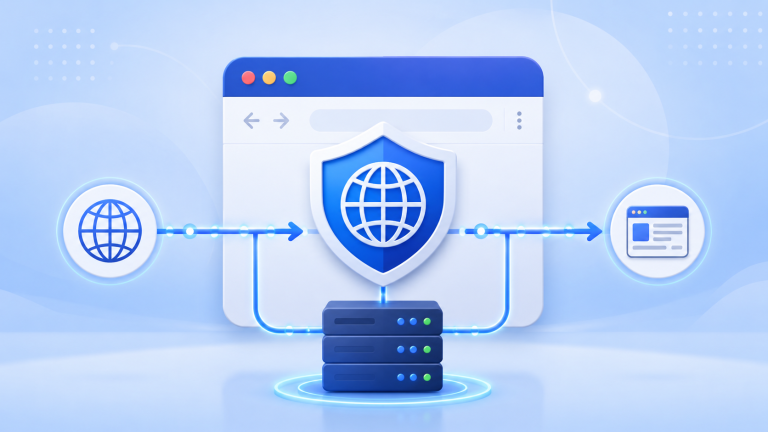
In today’s digital age, where online privacy and security are paramount, proxy server providers have emerged as essential tools for individuals and businesses seeking to navigate the complexities of the internet. A proxy server acts as an intermediary between a user’s device and the online world, allowing users to mask their true IP address, bypass geo-restrictions, and access content securely and anonymously. With the growing concerns over data privacy breaches and government surveillance, more users are turning to proxy services as a reliable solution to protect their digital footprints.
This article explores the world of proxy server providers, delving into their features, benefits, and the different types available in the market. Whether you’re a casual internet user looking to enhance your online privacy, a business in need of data scraping capabilities, or a gamer aiming to reduce lag through geo-optimized connections, understanding the offerings of various proxy services is crucial. Join us as we demystify proxy servers and guide you towards making informed choices that best suit your online needs.
Types of Proxy Servers
There are various types of proxy servers, each designed to serve different purposes and cater to unique user needs. HTTP proxies are widely utilized for web browsing, allowing users to filter and cache web content, which can enhance loading speeds and improve overall web performance. On the other hand, SOCKS5 and HTTP proxies provide added versatility, enabling users to access any kind of traffic, whether it’s web data, file transfer, or email, making them ideal for comprehensive online activities. Transparent proxies, while helpful in filtering content and monitoring web traffic, do not offer the same level of anonymity, as they reveal users’ IP addresses.
Benefits of Using Proxy Services
Utilizing proxy services provides a range of advantages, including heightened security, enhanced privacy, and improved access to content. By masking the user’s IP address, proxies help safeguard sensitive information from potential threats, such as hackers or intrusive ads. Furthermore, businesses benefit from proxies by conducting market research and data scraping without revealing their identity, allowing for more accurate and comprehensive results. For gamers, geo-optimized proxies can significantly reduce latency, providing smoother gameplay experiences. Overall, proxy servers are powerful tools that can greatly improve an individual’s or a company’s online operations.
In conclusion, as the digital landscape continues to evolve, the significance of proxy server providers cannot be overstated. They serve not only as a protective barrier for personal information but also as essential resources for businesses aiming to leverage data while maintaining confidentiality. With diverse types of proxies available, each tailored for specific applications, users can find solutions that best align with their needs—be it for enhanced security, data collection, or optimized internet performance. As online threats grow in complexity and the demand for privacy escalates, adopting a reliable proxy service becomes not just a choice, but a necessary step towards a safer and more versatile internet experience. Embracing these tools allows users to navigate the online world with confidence, ensuring their digital activities remain private and secure.
